
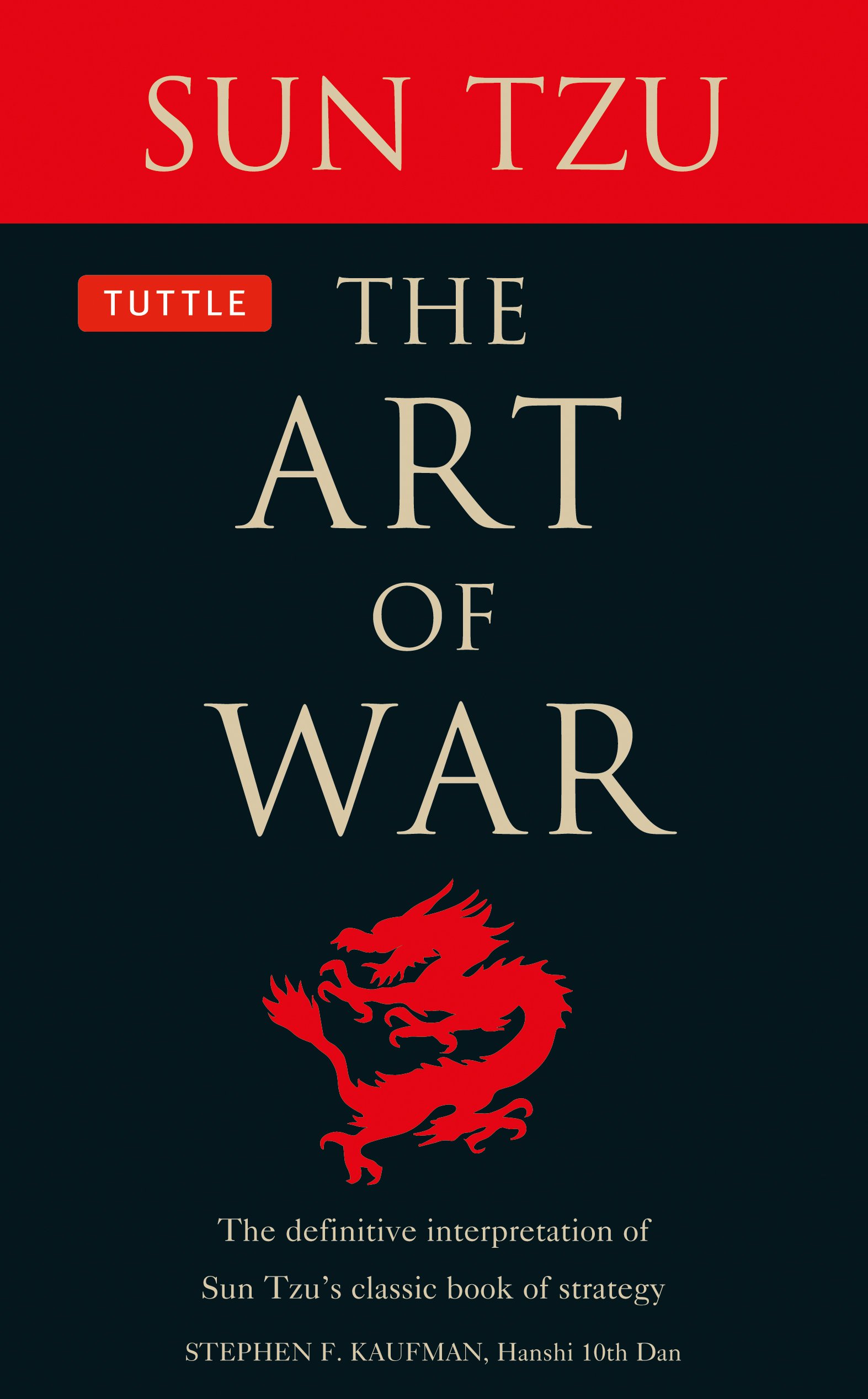
By: Sun Tzu
Pages: 100
Non Fiction
My recommendation: 8 / 10
Date read: 22nd May' 2022
Brief review: Sun Tzu was a Chinese military strategist in the 5th century BC. In this book, Sun Tzu discusses the strategies military generals should apply to win wars. It gives straightforward to-do and not-to-do lists of things that can win or lose wars. The simplicity with which the book is written is brilliant. Many ideas mentioned in the book are relatable to our everyday lives too. A short read and a must read.

By: Yuval Noah Harari
Pages: 496
History, Non Fiction
My recommendation: 10 / 10
Date read: 26th Aug'2021
Brief review: Homo Deus attempts to peep into the future of mankind as well as argues the validity of several myths and beliefs we hold today. The author touches upon diverse topics in this well-researched book with compelling arguments. Can man beat mortality? Is war obsolete? Can artificial intelligence make humans extinct in the future? If these questions (and many others) interests you, you should read this book. A deep and fascinating book by Yuval Noah Harari who is my favorite author. His earlier book 'Sapiens' is also a brilliant read.
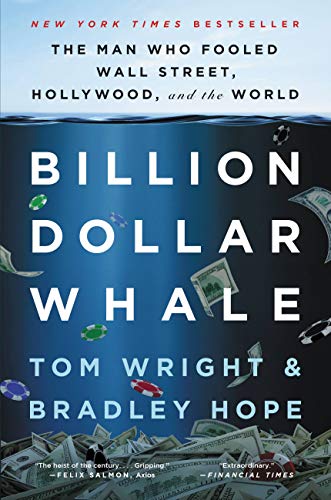
By: Tom Wright & Bradley Hope
Pages: 380
Non Fiction
My recommendation: 9 / 10
Date read: 25th Feb'2021
Brief review: An astonishing story of how Jho Low, a young graduate from Wharton Business School, siphoned billions of dollars from 1MDB, a sovereign wealth fund of Malaysia. It went on to become one of the biggest financial scandals of all time. Even the Hollywood blockbuster - 'The Wolf of Wall Street' is argued to be produced with this money. Jho Low spent this money so lavishly as to put on shame the wealthiest kings of all time this world has ever seen. The biggest celebrities in the world were regular at his parties. It all seems to be a fictional story, though it is all real. The authors have done a brilliant job.
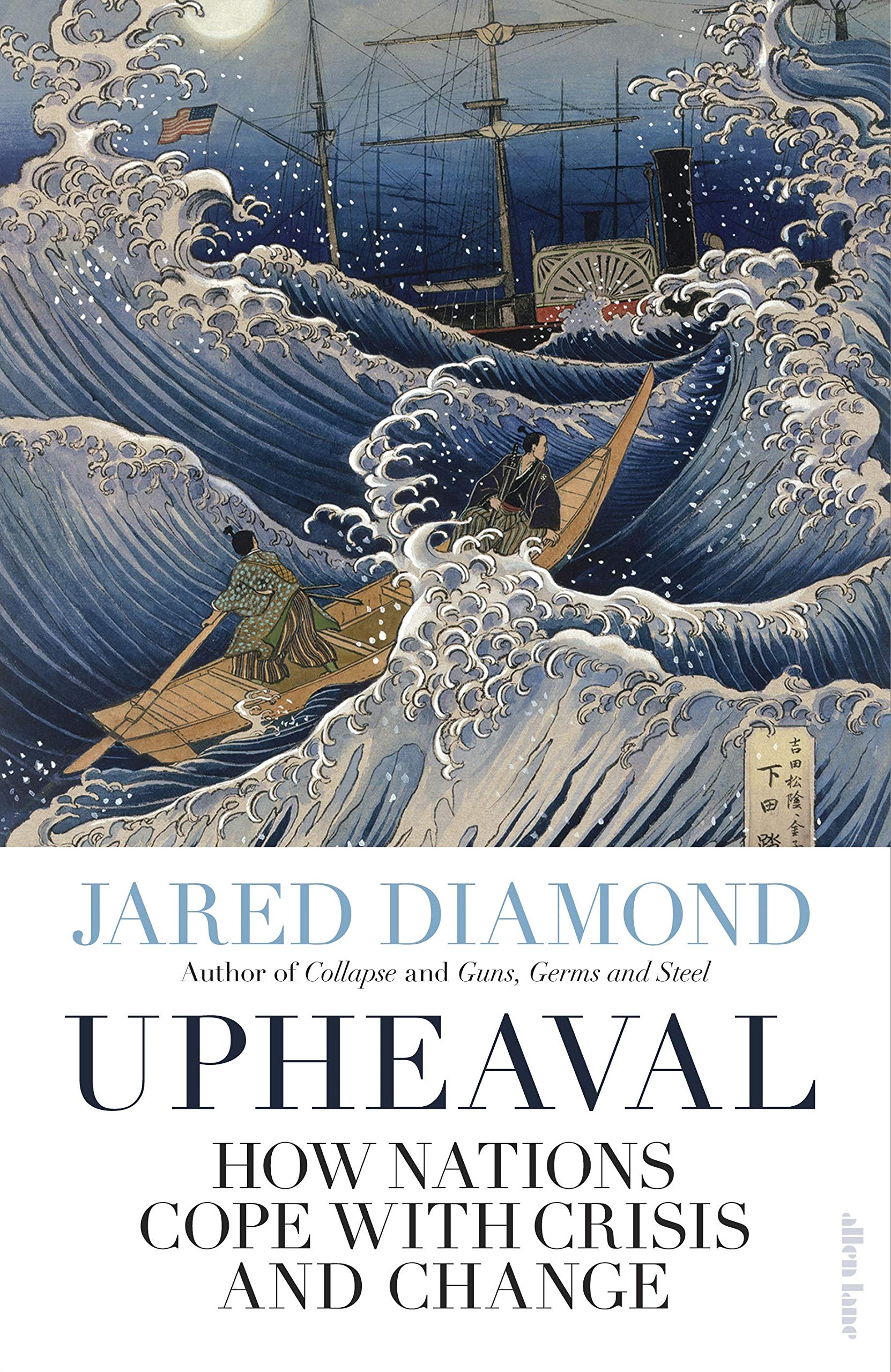
By: Jared Diamond
Pages: 463
History, Non Fiction
My recommendation: 9 / 10
Date read: 14th Jan'2021
Brief review: It's a book on how nations deal with crises and how it eventually shapes the future course of that country. The author selects 7 nations (Finland, Japan, Chile, Indonesia, Germany, Australia & U.S), go deep into their history when they faced upheaval and examines how they handled the situation. Not only it gives a perspective on how world leaders react and behave during a challenging situation that sometimes lasts more than a decade, but it also enriches readers' knowledge about historical events and their consequences to the modern-day world. A long but engrossing read.
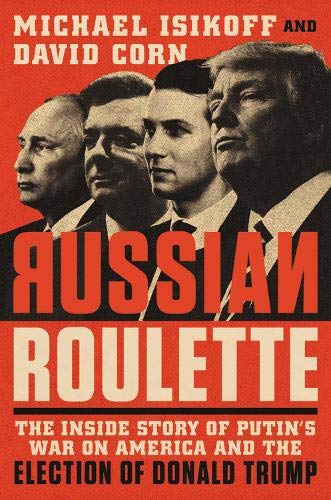
By: Michael Isikoff & David Corn
Pages: 325
Non Fiction
My recommendation: 9 / 10
Date read: 20th Dec'2020
Brief review: Few expected Donald Trump to become U.S. President in the 2016 elections. Despite losing popular votes and to surprise many, he won. Many Americans believe Russia played a big role to influence the U.S. election. Nobody knows for sure. Two of the best investigative reporters of current times give a detailed account of how Russia meddled with U.S. elections. It is hard to ignore the facts presented in the book. Whether or not you are interested to know about U.S. politics, reading this book will give you great insights into how governments think and act and what powers and resources they have to influence the general public. A brilliant read.


