
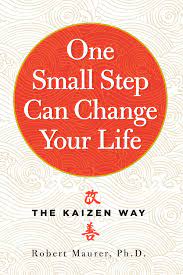
By: Robert Maurer
Pages: 173
Self Help
My recommendation: 9 / 10
Date read: 9th June' 2022
Brief review: A short and brilliant book on changing habits and achieving goals by taking small steps, the kaizen way. Whether your goal is to lose weight or to improve relationships, it is all possible if you make daily progress. If you want to practice meditation but are unable to focus, start with one-minute meditation a day. If you want to cut caffeine, just take a sip less every day. Once you start reading this book, it is unputdownable.
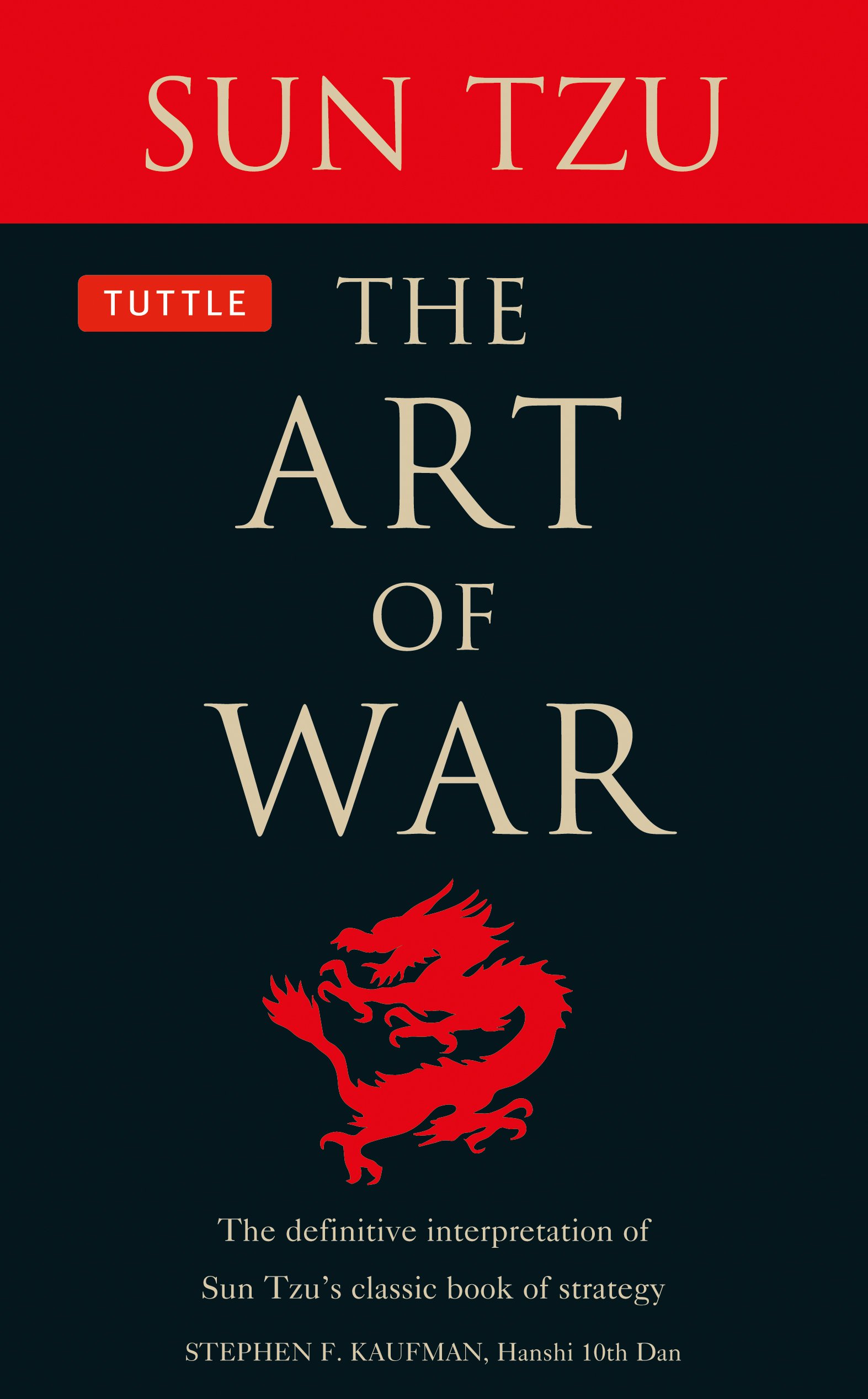
By: Sun Tzu
Pages: 100
Non Fiction
My recommendation: 8 / 10
Date read: 22nd May' 2022
Brief review: Sun Tzu was a Chinese military strategist in the 5th century BC. In this book, Sun Tzu discusses the strategies military generals should apply to win wars. It gives straightforward to-do and not-to-do lists of things that can win or lose wars. The simplicity with which the book is written is brilliant. Many ideas mentioned in the book are relatable to our everyday lives too. A short read and a must read.
By: Derek Sivers
Pages: 133
Self Help
My recommendation: 9 / 10
Date read: 16th Sep'2021
Brief review: Short and sweet. That is how I will introduce this book. Full of personal experiences by someone who is living a life of choice. You will find many anecdotes and examples that you can relate to your own life. The main idea behind this book is to focus on your most important work and goal and say No to everything else. The book is available only on Derek's website You should also check out other books of Derek (Anything You Want & Your Music & You) that I have read and reviewed here.
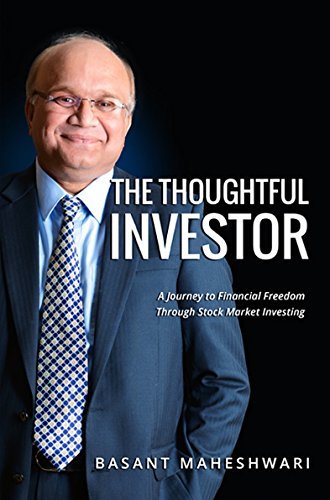
By: Basant Maheshwari
Pages: 426
Investments
My recommendation: 8 / 10
Date read: 14th Sep'2021
Brief review: Basant Maheshwari is a self-made billionaire investor from India who learned it all after losing everything in the stock market during the early years of his life. The author gives a step by a step action plan, data points, and ratio analysis to differentiate between a great investing idea vs an average stock. The book is quite exhaustive from an Indian stock picker's point of view giving examples of Indian stocks. Among many books written on fundamental analysis, this one is one of the simplest.

By: Yuval Noah Harari
Pages: 496
History, Non Fiction
My recommendation: 10 / 10
Date read: 26th Aug'2021
Brief review: Homo Deus attempts to peep into the future of mankind as well as argues the validity of several myths and beliefs we hold today. The author touches upon diverse topics in this well-researched book with compelling arguments. Can man beat mortality? Is war obsolete? Can artificial intelligence make humans extinct in the future? If these questions (and many others) interests you, you should read this book. A deep and fascinating book by Yuval Noah Harari who is my favorite author. His earlier book 'Sapiens' is also a brilliant read.
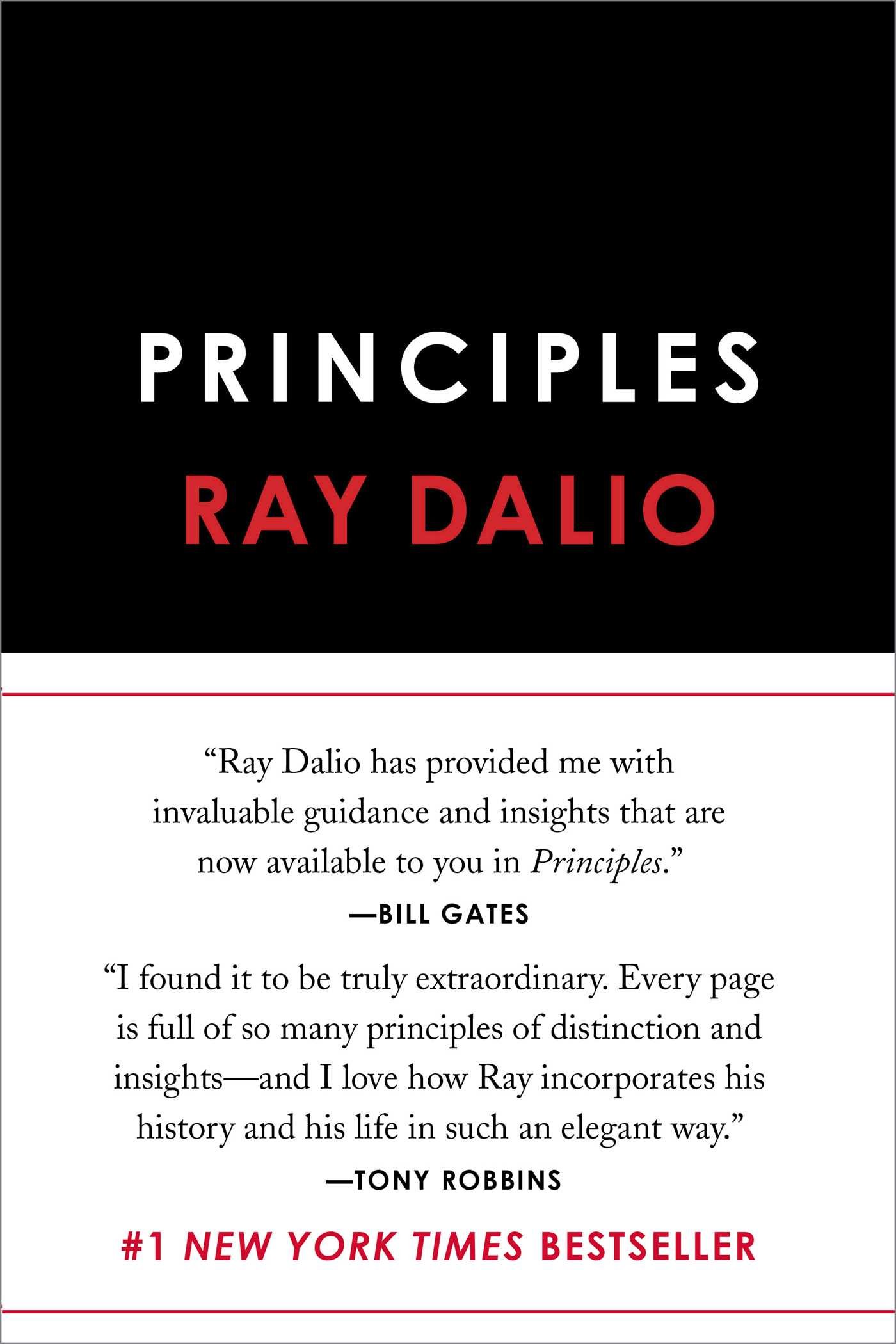
By: Ray Dalio
Pages: 552
Investments, Self Help
My recommendation: 9 / 10
Date read: 10th Aug'2021
Brief review: As the name of the book suggests, it talks about principles to follow in life, work, and investing. Ray Dalio founded the world's largest hedge fund 'Bridgewater'. He is an extraordinary individual who started his journey from a two-bedroom apartment and reached the pinnacle, in personal and professional life. A few key messages in the book are, build what you want to use. Do one thing great, not many things average. Make a small to-do list. Whether you are starting out in your life or a seasoned professional, this book has to offer something which you won't get anywhere else. The first half of the book was really nice and it got a little preachy in the second half. I will recommend this book to all.
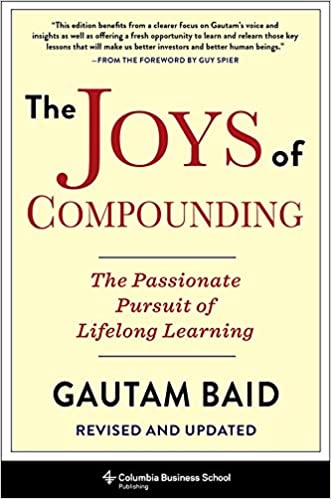
By: Gautam Baid
Pages: 403
Investments
My recommendation: 9 / 10
Date read: 25th July 2021
Brief review: There are hundreds of books written on investments and the magic of compounding. This book kind of summarises the wisdom of Warren Buffet, Charlie Munger, and few others. Though I found no new ideas of the author himself, if you haven't read much of others, this book shall give you a concise version of what the experts have to say regarding wealth creation, pitfalls to avoid, and life lessons too. It is worth reading if you want all the wisdom of the investment world combined into one single book.
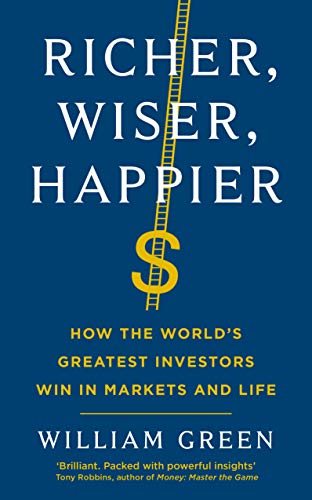
By: William Green
Pages: 280
Investments
My recommendation: 10 / 10
Date read: 18th July 2021
Brief review: The book peeps into the lives and strategies of some of the world's super investors and tries to decode their success mantras. Though every individual is different, their wealth creation strategy is pretty much the same. Having a concentrated portfolio, buying cheap, and holding for the very long term. I particularly liked the personal lifestyle of all these investors and fund managers, their early life and beliefs which helped them become worldwide celebrities in investing. William Green is an outstanding journalist and author. If you want to get some useful ideas into investing, do read this book.
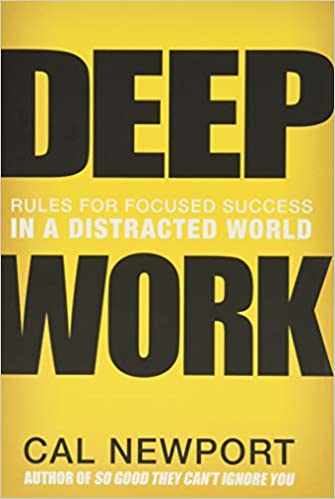
By: Cal Newport
Pages: 263
Self Help
My recommendation: 8 / 10
Date read: 13th July'2021
Brief review: Many books have been written on the concept of focussed work. ie., spending a few hours every day in total solitude without any interruptions into your most important craft, developing skills, or a meaningful project. Sometimes, even days and months. Though the concept is simple, I liked most were the examples of great men and women who achieved remarkable success using deep work principles. If you struggle to get things done on time or lack focus on that one thing that can bring lasting success and happiness, you should read this book.
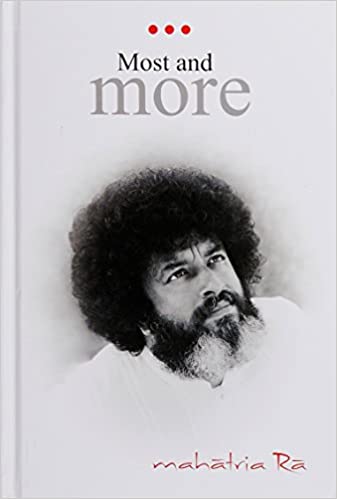
By: T T Rangarajan
Pages: 242
Self Help
My recommendation: 8 / 10
Date read: 9th July'2021
Brief review: T.T. Rangarajan, also known lovingly as Mahatria by his followers is an inspiring personality. He has the ability to break complex things into simple forms. This book is a guide to all those who are looking for an answer to their personal and professional problems and illusions. I loved the way life lessons were articulated by way of stories. The context and examples are relatable by one and all. It's an easy read for all ages. This book was gifted to me by a dear friend Ashish Modani. Thank you Ashish.


